.png)
Mombasa, Coastal Region
Two-day Policy and Advocacy Training on Blue Carbon Ecosystems
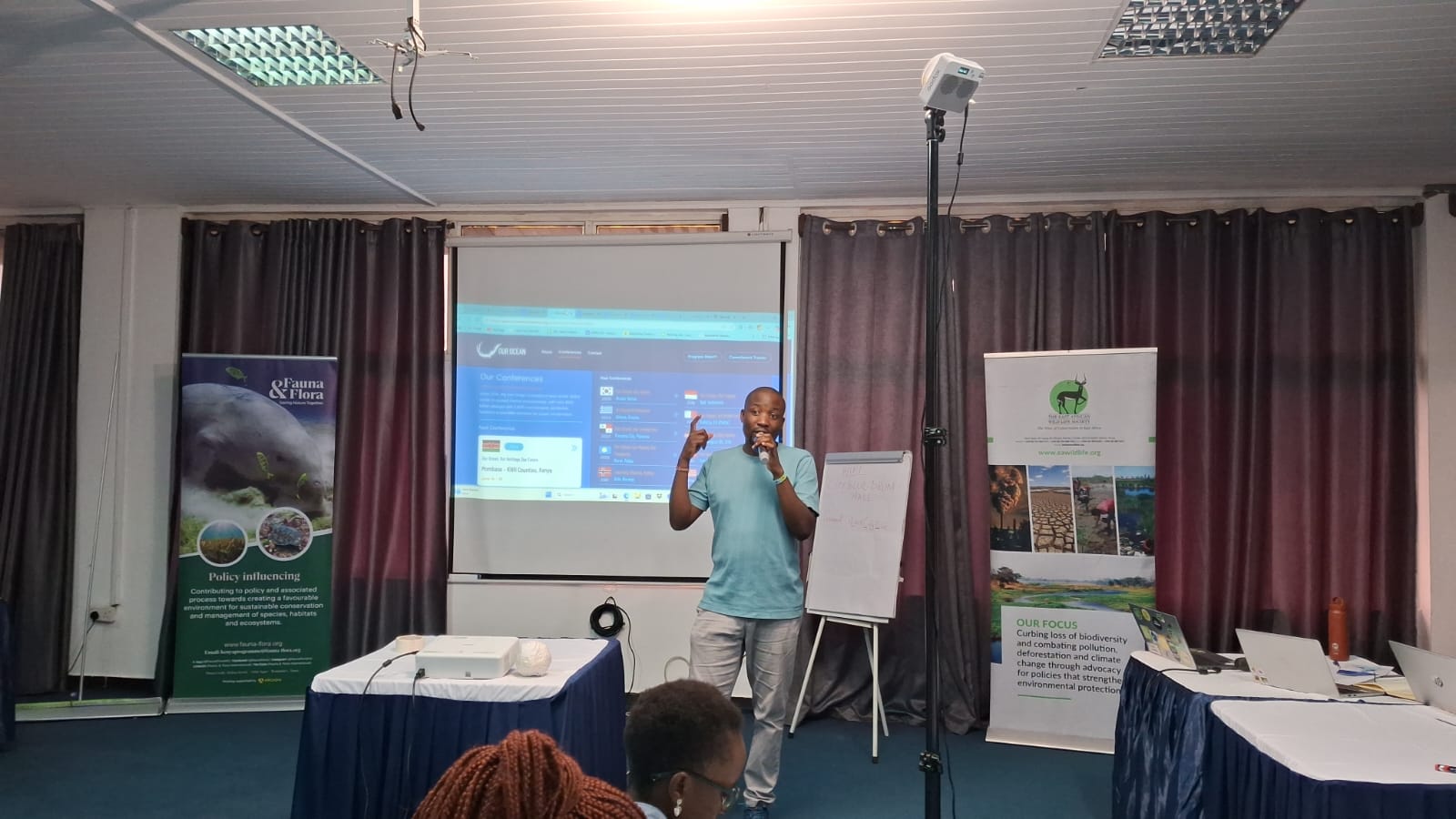
Today, EAWLS kicked off a two-day Policy and Advocacy Training on Blue Carbon Ecosystems in Mombasa, bringing together over 40 stakeholders from across Kenya's coastal region.
Participants include representatives from Jumuiya ya Kaunti za Pwani, Beach Management Units (BMUs), Community Forest Associations (CFAs), Community-Based Organizations (CBOs), as well as women, youth, and persons with disabilities. Many come from communities whose voices have historically been underrepresented in national policy discourses on Blue Carbon Ecosystems.
Today's sessions included interactive discussions and practical exercises to deepen participants understanding of Blue Carbon Ecosystems, including mangroves, seagrasses, and tidal marshes. They explored governance frameworks, key policies, and examined advocacy strategies to effectively engage in county and national decision-making.
Blue Carbon Ecosystems are vital carbon sinks that support climate mitigation, biodiversity, and coastal livelihoods, yet they continue to face growing threats due to limited awareness and gaps in policy implementation. Strengthening local capacity helps safeguard these ecosystems and ensures their value is fully recognized in national climate policies.
This training is part of a Pew-funded initiative aimed at integrating Blue Carbon Ecosystems into Kenya's Nationally Determined Contributions (NDCs), strengthening policy coherence, and enhancing civil society engagement in climate governance.
Blue Carbon Ecosystems Covered
Mangroves
Coastal forests that store carbon, protect shorelines, and support biodiversity
Seagrasses
Underwater meadows that capture carbon and provide nursery habitats
Tidal Marshes
Coastal wetlands that filter pollutants and sequester carbon
.png)
.png)
.png)
.png)
.png)
Leave a Comment